Data Stories & Infographics
Explore visual insights that highlight key trends in Ethiopia and across the region.
All Infographics

7/16/2025
Ethiopian Micro and Small Enterprises (MSEs) in 2021
MSMEs form an integral part of the Ethiopian economy with over 111k businesses engaged in various sectors. While credit access useful for scaling and expansion has been limited , nearly 600k people find employment in MSEs. A general concentration of businesses is evident in Oromia and Amhara regional states with credit availability favoring the latter. As the Ethiopian expands financial inclusivity , a general growth in the available credit supply to MSE's is forecasted in the coming years. Updated and aggregated data on the status of MSEs in Ethiopia is pivotal for improving regulation and potential incentives.
7/1/2025
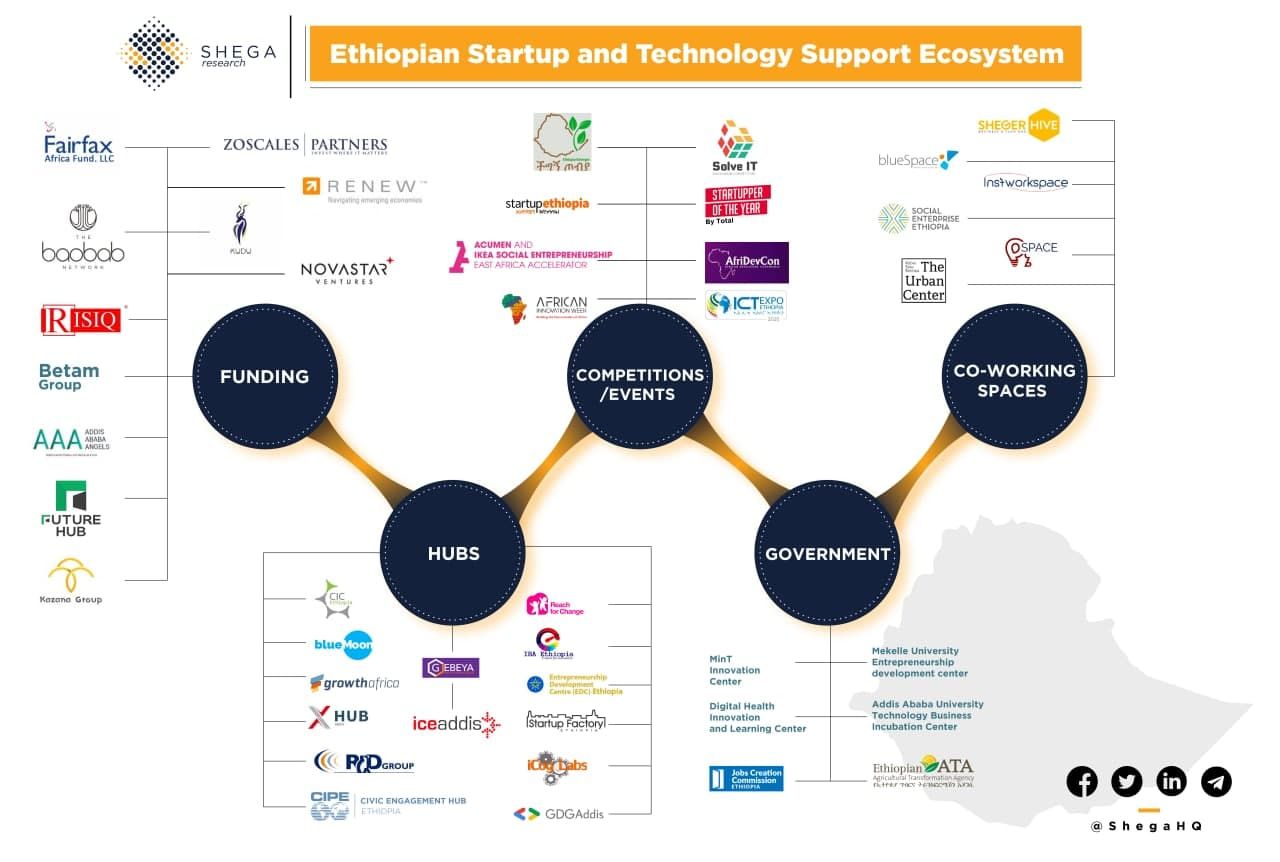
Ethiopia's Startup and Technology Support Ecosystem in 2021
Ethiopia's nascent startup support ecosystem was limited to a few major players in early 2021. Government led initiatives were offered by a few agencies with most of the support infrastructure comprised of NGO funded efforts. Access to finance remained a challenge for most startups with the few funding opportunities coming in the form of competitions and incubator programs. Innovations in agriculture and health have a relatively easier road towards funding from international development agencies and government offices like the agricultural transformation agency and the Ministry of Innovation & Technology.
7/1/2025
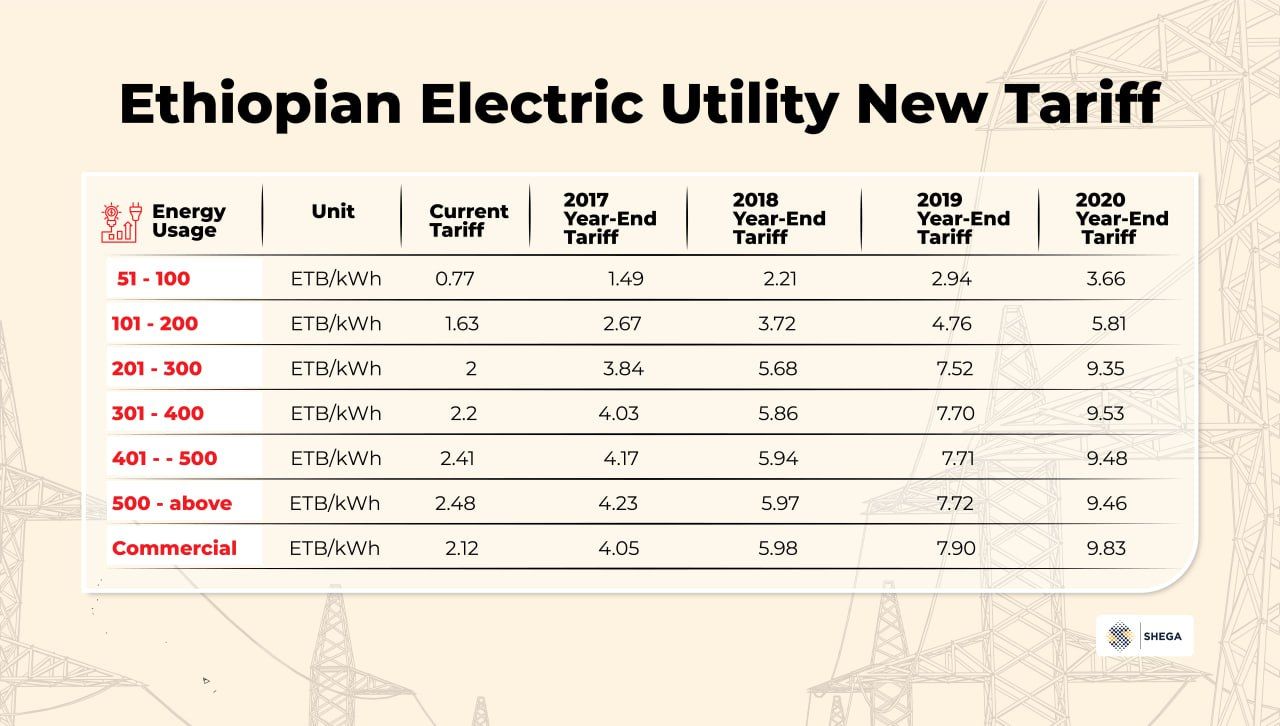
Electricity Costs Set For Nearly 400% Increase by 2028
The Ethiopian Electric Utility announced a rolling increase in power tariffs over the next four years as part of a comprehensive power sector reform. Quarterly increments averaging 10% will be progressively applied, with the first round slated for next month. This will result in EEU customers facing an average power utility cost increase of 400% by 2028. A four-year electricity tariff adjustment plan as part of realizing cost recovery targets in the power sector is one of the key reforms agreed to as Ethiopia accepted the International Monetary Fund’s (IMF) prescribed program in late July.
7/2/2025
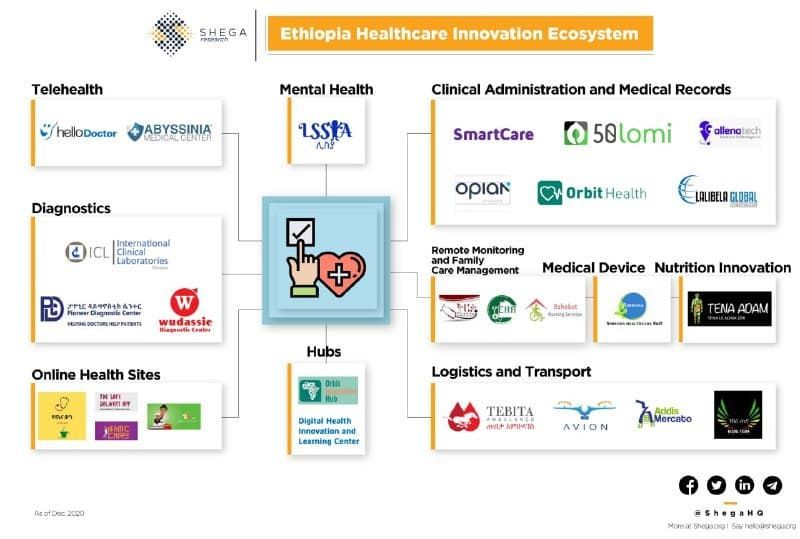
Ethiopia's Healthcare Innovation Ecosystem in 2020
Ethiopia's health care innovation ecosystem is comprised of a wide range of companies offering a diverse set of services and products. While most early companies were involved in tele-health and diagnostics products , transport, logistics and online health sites have began to make a mark in recent years. With a doctor to population ratio hovering at around 1:30,000 , a largely unaddressed demand in the health sector. The rapid expansion of internet coverage and increasing smart phone penetration rates represent significant potential for innovative products and services.
7/15/2025
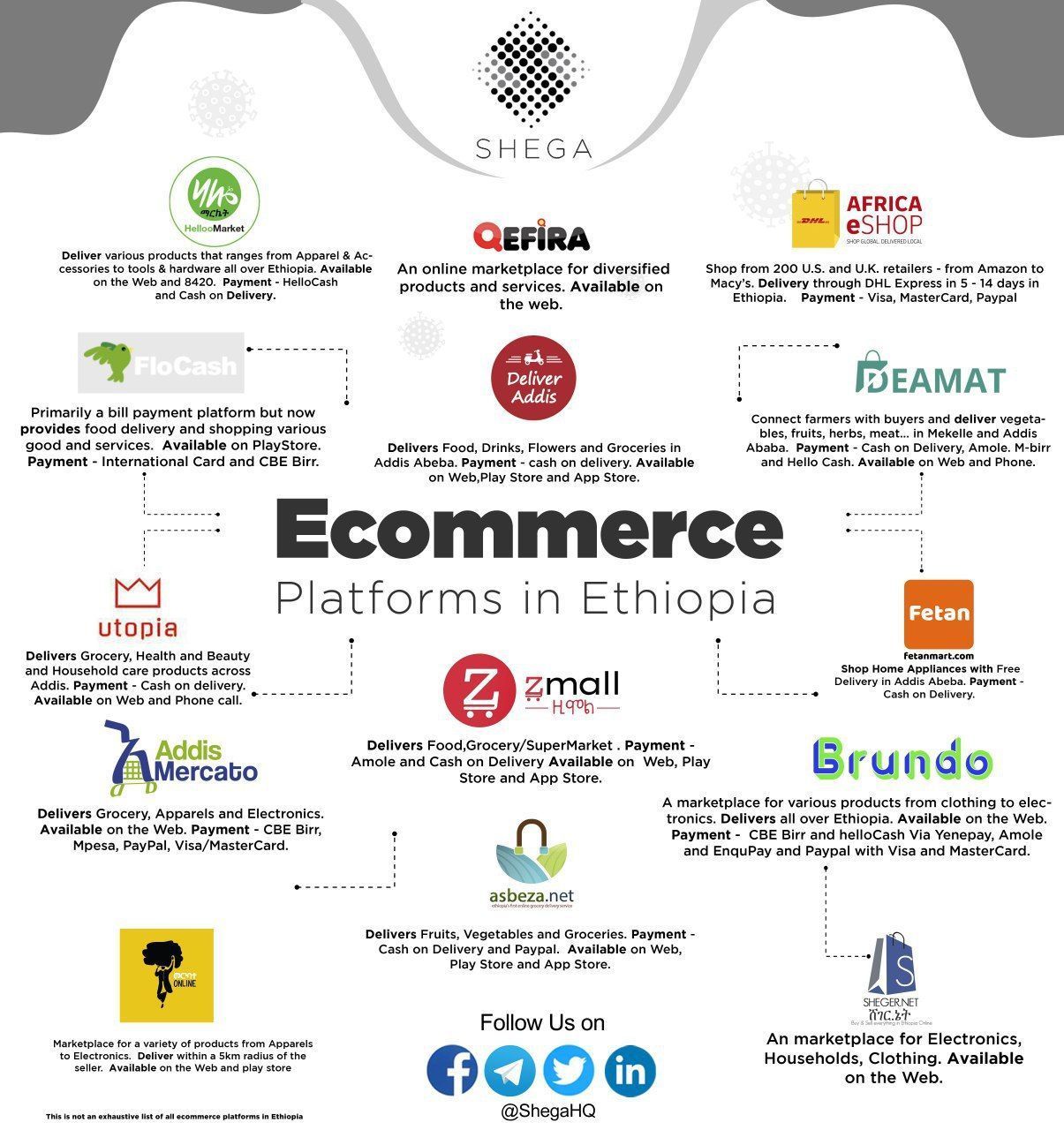
Ethiopian E-commerce Platforms in 2020
A snapshot of the E-commerce ecosystem in 2020 highlights a web of start ups and a few companies who have become a mainstay in the sector. Most offer delivery services on top of their retail platforms offering a varied set of products. E-commerce businesses face formidable challenges in Ethiopia partly due to the hefty investments required for a streamlined operation. Many end up going out of businesses within a few years due to mounting costs. The few companies which manage to stay in business for a long time offer a differentiated set of products and services. Authentication of sales, timely deliveries and ease of interface play a major part in the firm's success.
7/1/2025
Commercial Bank Of Ethiopia Loses Millions in Digital Heist :2024
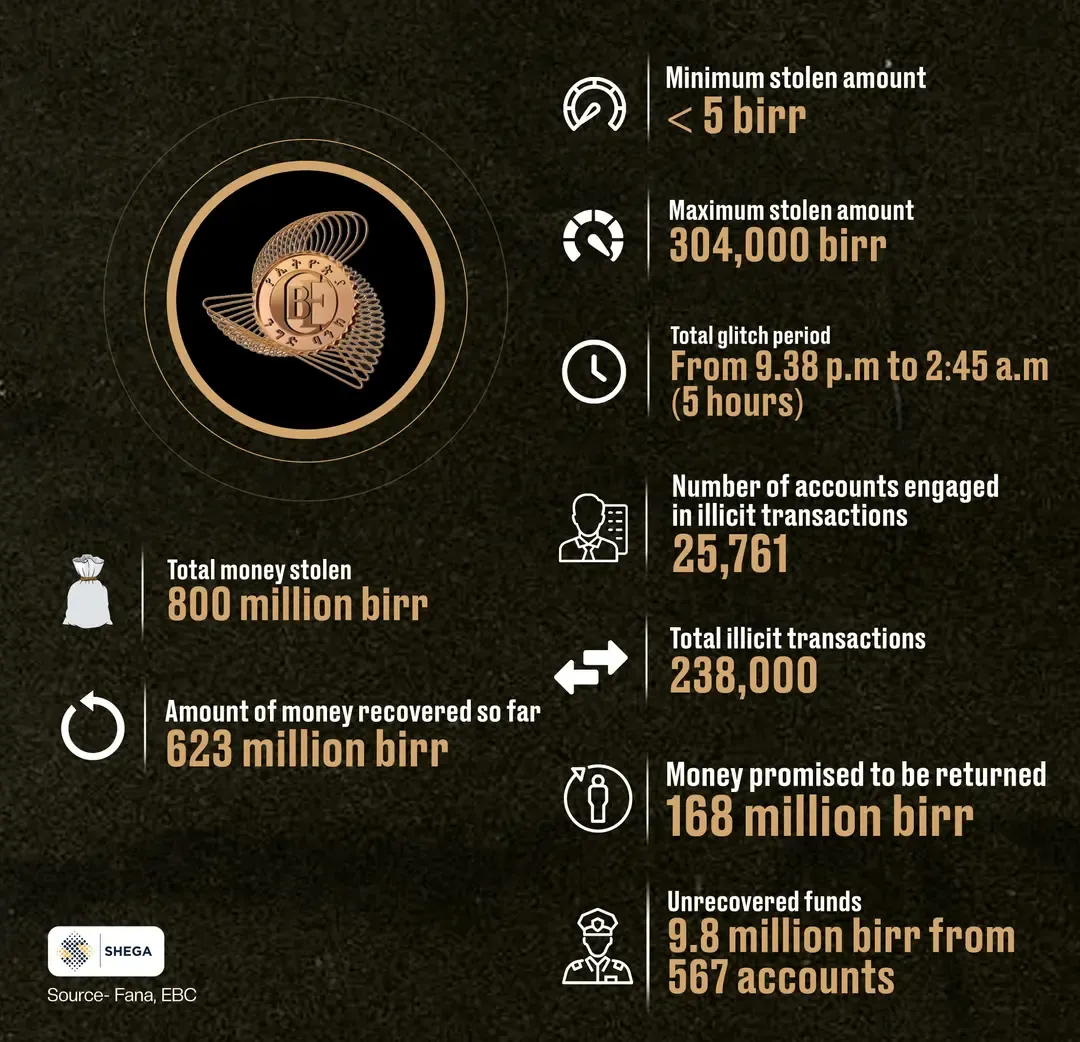
A few hours glitch in the digital banking infrastructure of Ethiopia’s state-owned Commercial Bank of Ethiopia led to an 800-million-birr heist. The system error which occurred on March 15, 2024, allowed users to transfer funds exceeding their account balances and withdraw money from ATMs despite insufficient funds. CBE’s President Abie Sano revealed figures related to the heist ten days after the incident. Over 25,000 accounts were involved in around 238,000 transactions.
7/1/2025
Ethiopian Fintech Map in 2020
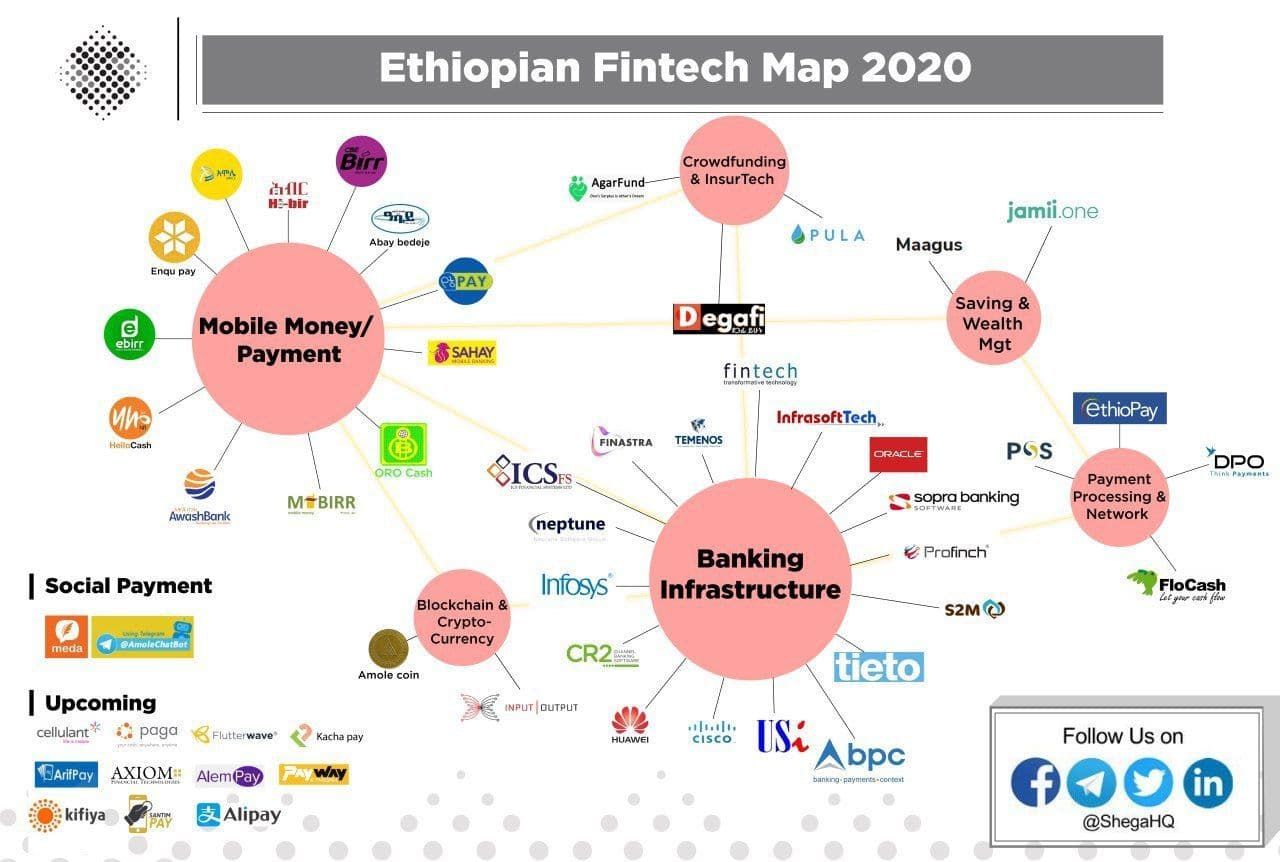
Ethiopia's financial technology ecosystem is largely composed of a web of companies that sprung from the commercial banking sector and few firms who started of as fintech. A significant portion of the digital banking market is dominated by the state-owned Commercial Bank of Ethiopia(CBE) which offers a varied set of products and services. A growing list of companies offer payment operator services with a few instrument issuers and even fewer insurance technology firms. Some have dared to enter into the very nascent blockchain and crypto space , a few into saving and wealth management services and just three companies exploring the payment processing network infrastructure. .
1/16/2025
Commercial Bank of Ethiopia Revised Loan Rates
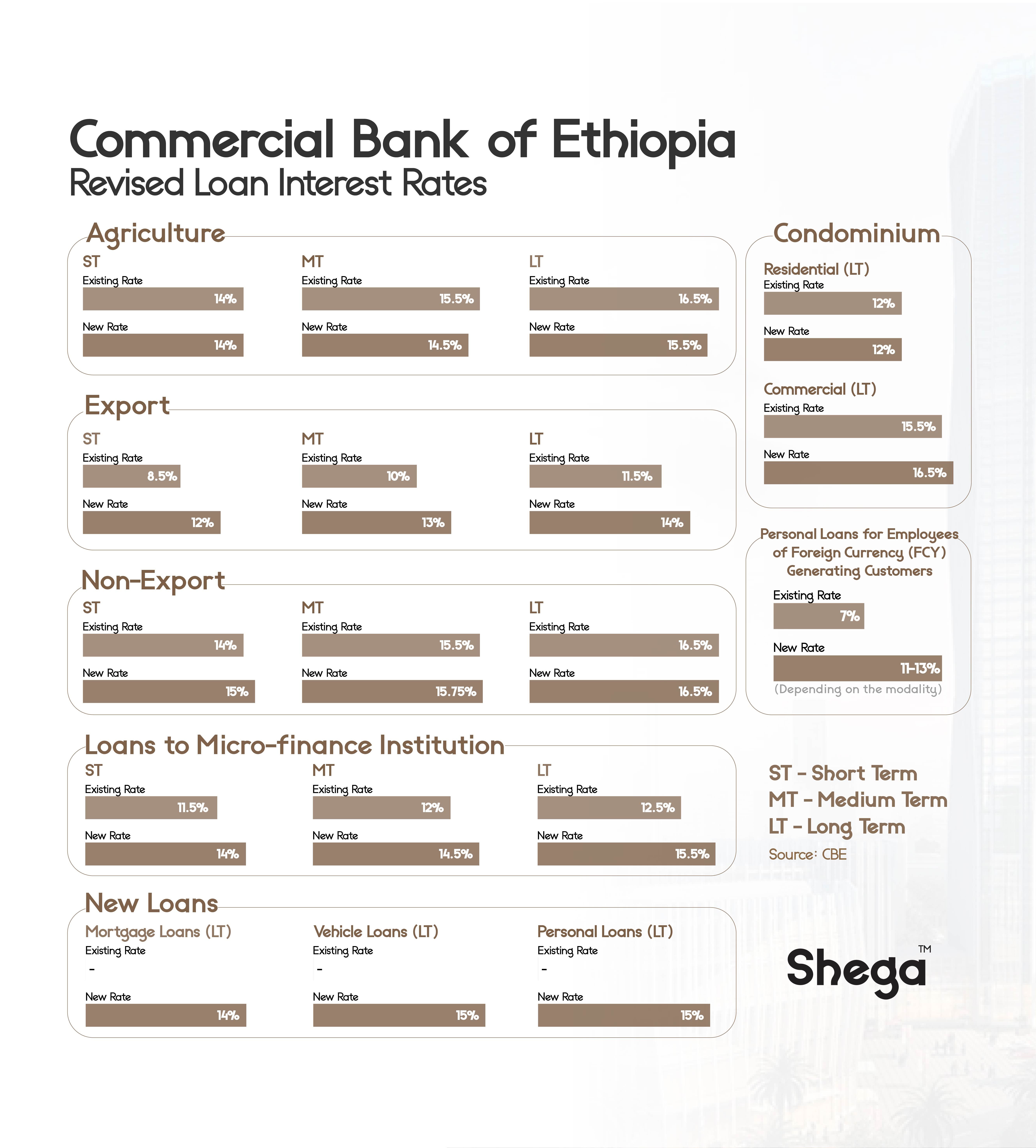
As Ethiopia’s banking industry undergoes a thorough transformation under a pair of new proclamations and a slew of directives, commercial banks have begun to respond to the winds of change. While the National Bank of Ethiopia has maintained its policy rate of 15%, several commercial banks have already perked up their lending interest rates. The state-owned Commercial Bank of Ethiopia (CBE) announced adjustments to interest rates the past week for several loan types. CBE, which accounts for nearly half of the banking sector’s assets, is currently undergoing a massive restructuring to realign years of questionable lending practices to other state-owned enterprises. According to the Bank, the revision of the lending rate aims to align lending practices with market conditions and ensure the long-term sustainability of the Bank.
7/1/2025
EdTech Ecosystem in Ethiopia in 2021
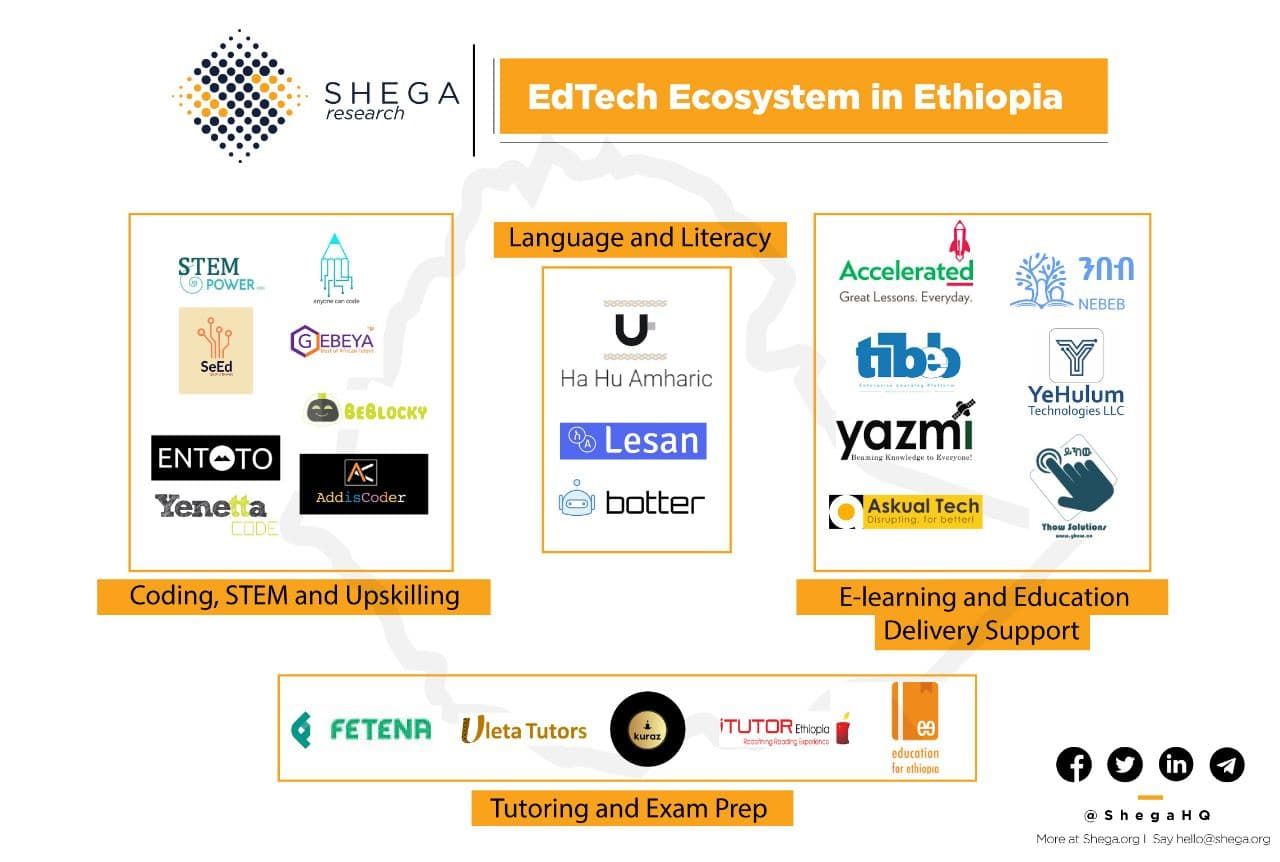
A map of the EdTech ecosystem in Ethiopia illustrates an emerging sector comprised of innovative startups. E-learning and education delivery support companies are beginning to make some headway with coding, STEM and upskilling firms beginning to explore the space. Sector specific course offering firms are beginning to emerge as the sector begins to adopt an innovation oriented approach. Tutoring and exam preparation services are increasingly being demanded despite the small number of companies. Language and literature companies are also gaining traction with services encompassing both domestic and international dialects. A few companies have also began experimenting with video courses on social media sites in recent years.
7/1/2025
Consumer Complaints Received by Financial Institutions in Ethiopia
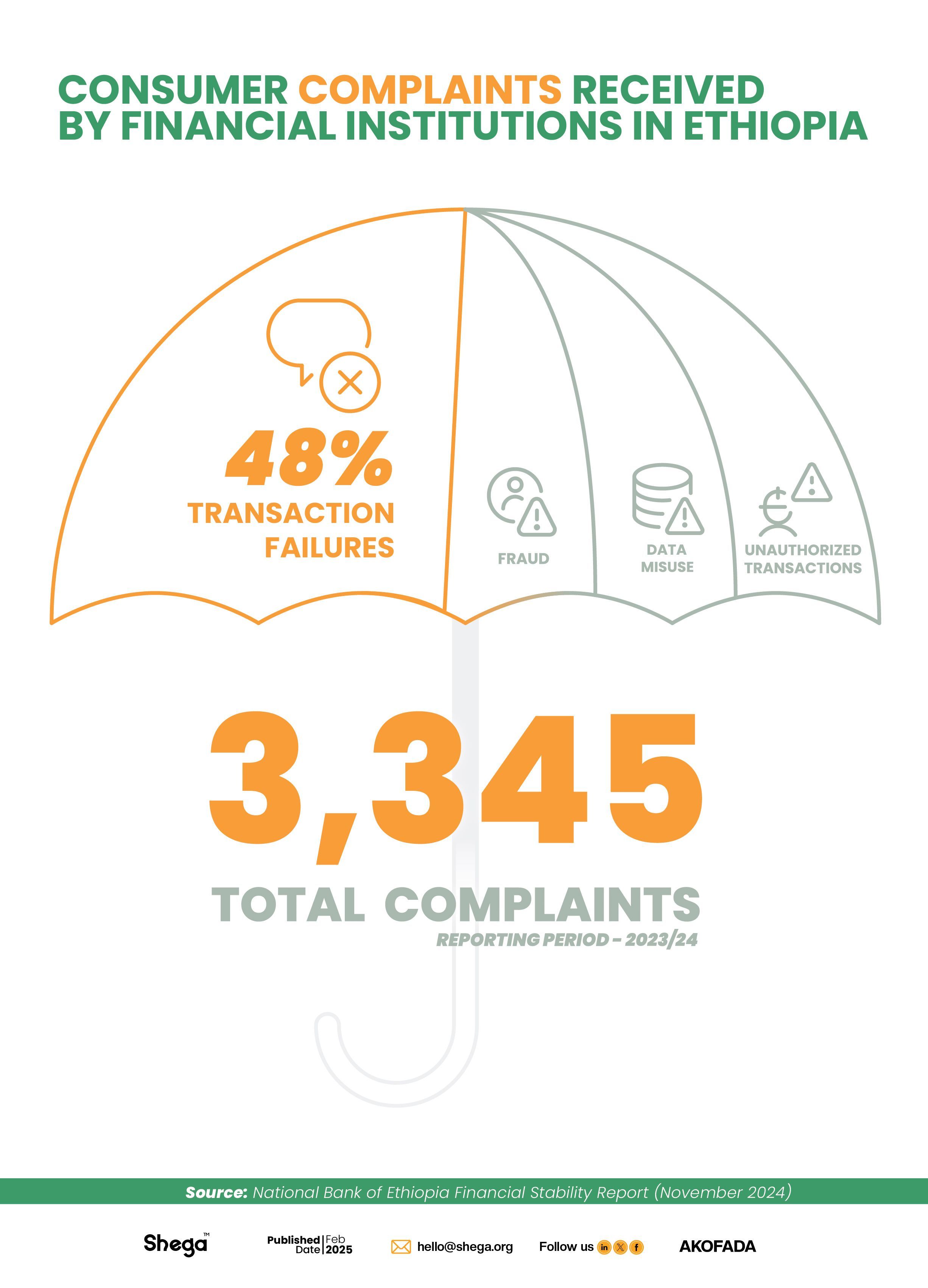
According to the National Bank of Ethiopia's Financial Stability Report (November 2024), financial institutions received 3,345 consumer complaints during the 2024/25 fiscal year. These complaints were primarily related to transaction failures, unauthorized transactions, data misuse, and fraud, with 48% involving transaction failures.
7/10/2025
Digital Loans in Ethiopia Are No Longer Micro!
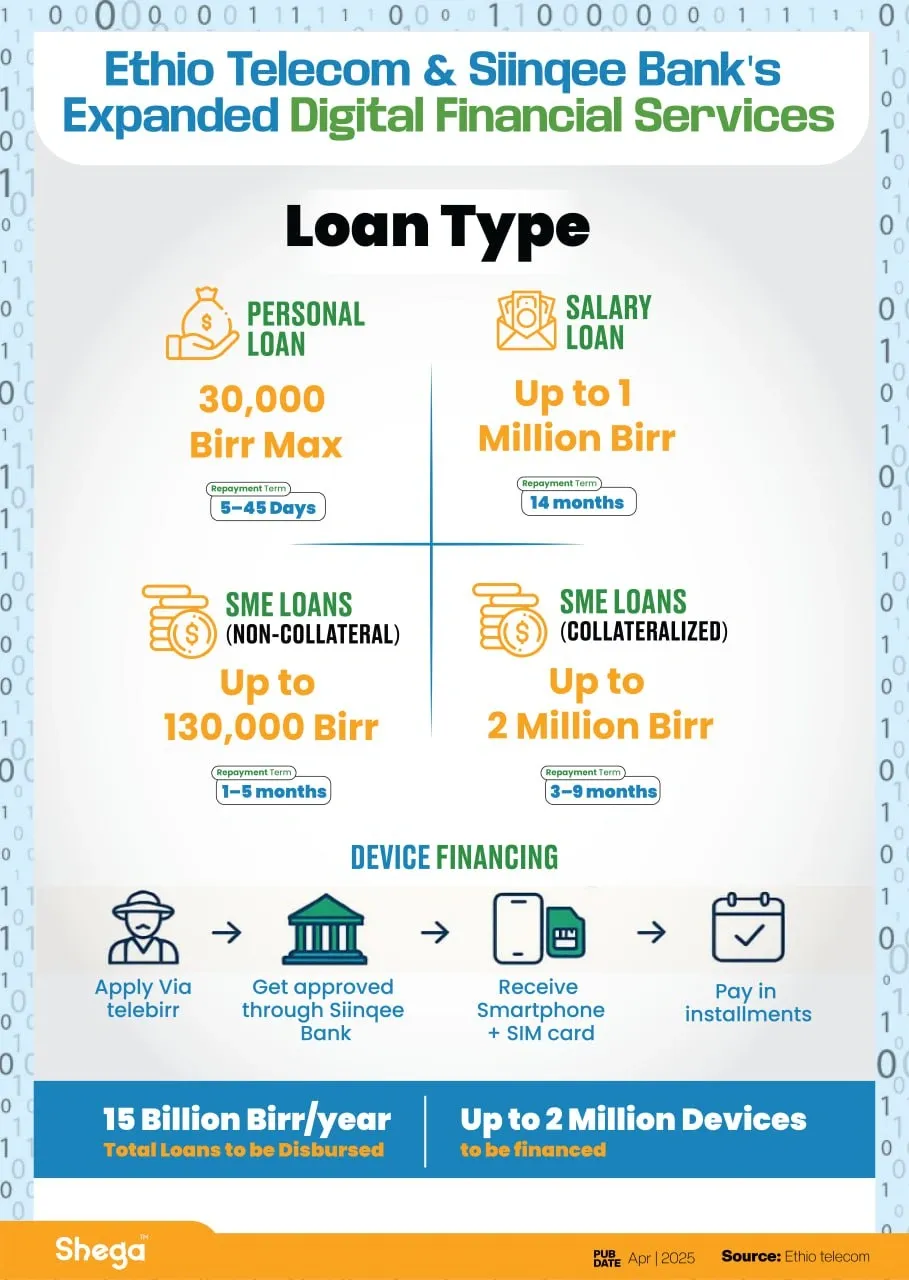
Over the past three years, over a dozen digital lending platforms have entered the market in Ethiopia. However, their portfolios have largely remained unchanged, with only a few exceptions. Credit caps have stagnated at the levels set during their initial launch, and most digital lending products are tailored for personal use or salaried employees. Now, a bold shift is underway led by a new bank that emerged from a micro-finance institution. Last week, Siinqee Bank and Ethio telecom launched a range of digital financial services through telebirr, offering personal loans of up to 30,000 birr, non-collateral business loans of up to 130,000 birr, and collateral-backed loans reaching as high as 2 million birr. In addition, the device financing service, which includes the provision of SIM cards alongside smartphone financing, is one of the new offerings launched by the two partners.
7/16/2025
Ethiopian Micro and Small Enterprises (MSEs) in 2021
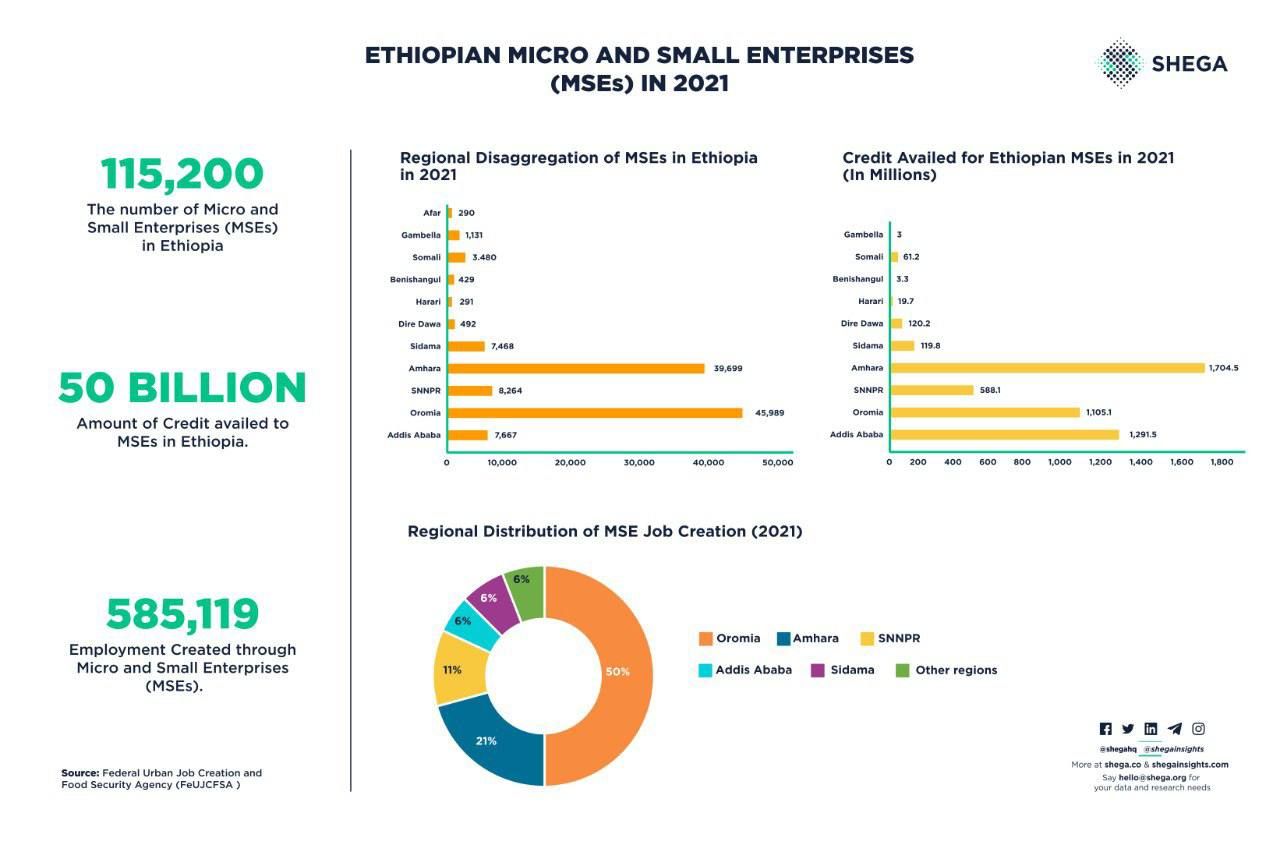
MSMEs form an integral part of the Ethiopian economy with over 111k businesses engaged in various sectors. While credit access useful for scaling and expansion has been limited , nearly 600k people find employment in MSEs. A general concentration of businesses is evident in Oromia and Amhara regional states with credit availability favoring the latter. As the Ethiopian expands financial inclusivity , a general growth in the available credit supply to MSE's is forecasted in the coming years. Updated and aggregated data on the status of MSEs in Ethiopia is pivotal for improving regulation and potential incentives.